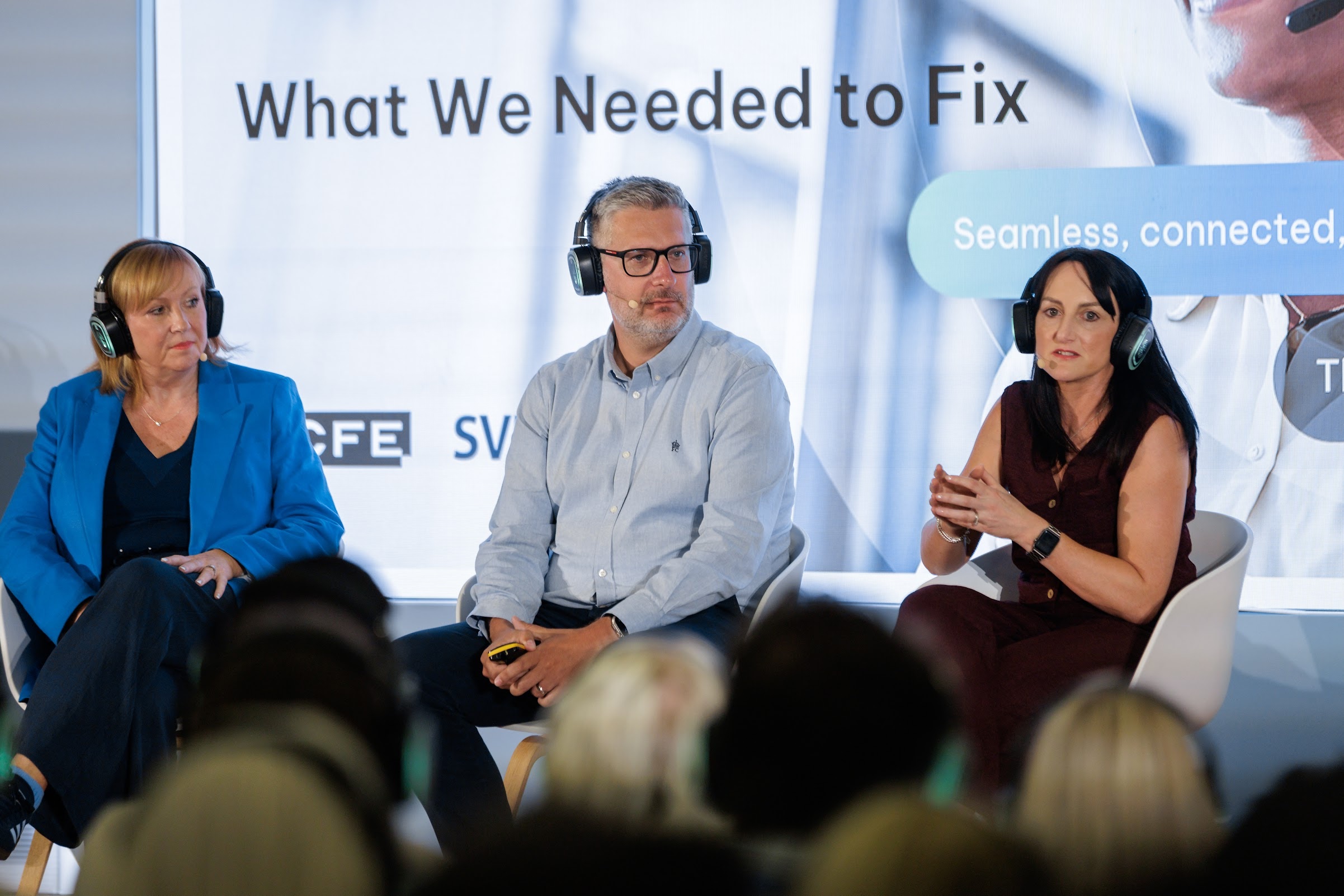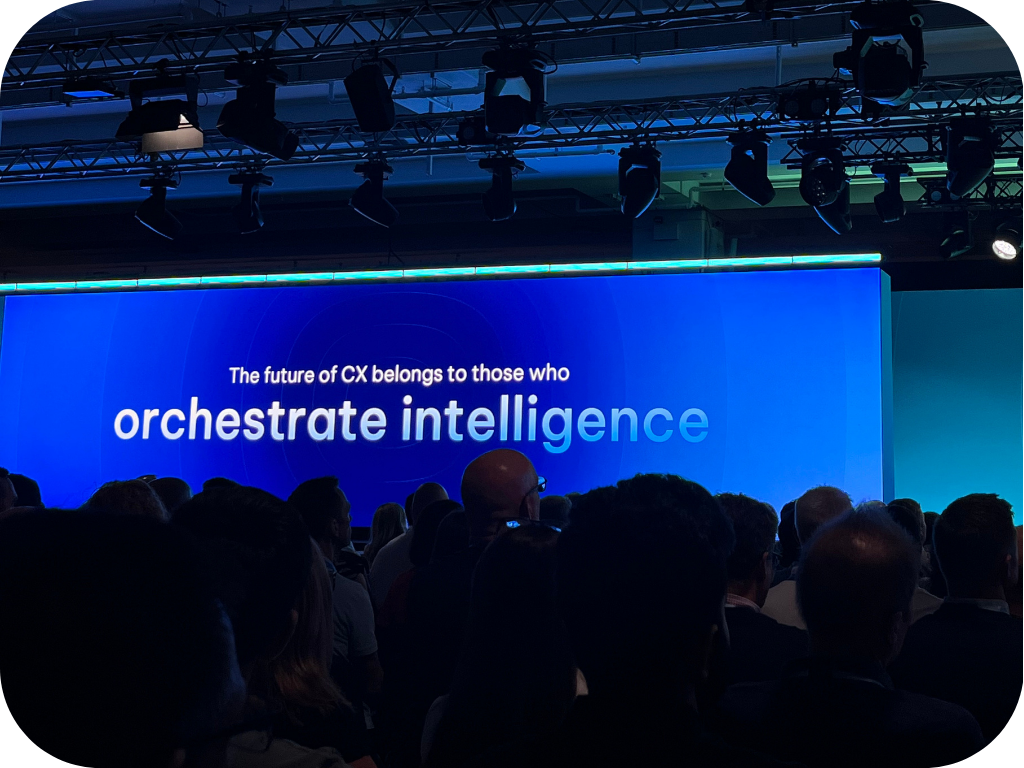

At a recent Scotland Contact Centre Forum event, Indy Kaur, Solutions Consultant at SVL, joined a panel conversation on AI, workforce management (WFM) and the future of workforce planning.
The discussion explored how AI can improve forecasting, support daily planning and help WFM teams work more efficiently. The key takeaway was clear: AI works best when it supports people, rather than replacing human judgement.
In this blog, Indy shares her insights on how AI can support WFM without losing the human touch that good planning depends on.
From traditional WFM to always-on planning
Workforce planning used to be more straightforward. Many contact centres focused on voice calls, with customers getting in touch only during set opening hours. That approach was still manual and time-consuming, especially when teams relied on spreadsheets.
Today, WFM is much more complex. Customers reach out across phone, email, live chat, SMS and other digital channels. They also expect support outside the traditional 9-to-5, through extended opening hours and digital self-service support.
With so many more factors to consider, from omnichannel demands to agent preferences, managing this manually can quickly become overwhelming.
How AI can support better forecasting
For many teams, forecasting has historically been built around Erlang calculations, especially for voice. While that still has its place, modern contact centres are handling far more than calls.
Different channels all come with varying volumes, service levels and customer expectations. AI-powered WFM tools can bring that data together and analyse demand across multiple channels.
They can also use forecasting models such as ARIMA, Box-Jenkins and other methods to build a clearer picture of future demand. Rather than working through spreadsheets, planners can compare different models and identify the best-fit forecast.
AI takes away a lot of the heavy lifting, giving planners more accurate insight and freeing up time for decisions that need human judgement.
Supporting daily planning decisions
AI can also help with the daily decisions that keep a contact centre running smoothly. Demand can change quickly, and AI can help WFM teams spot these changes earlier.
For example, if call volumes rise during the morning, AI may suggest moving agents from email to voice. It can also highlight where service levels may be at risk, giving planners the chance to act before issues grow.
This gives teams useful insight throughout the day, helping them respond before problems become obvious.
Keeping accountability with people
While AI can support daily planning, the final decision should still sit with people.
A system may recommend moving agents between channels, but planners understand the wider context. They may know there is an email backlog, a team availability issue, or another business priority that has not been reflected in the data.
WFM decisions affect customers, agents and the wider business. AI can analyse data, highlight trends and make recommendations, but it should not take full control.
The strongest approach is to let AI handle the data-heavy work, then allow planners to apply experience, context and judgement.
Planning for what comes next
With AI, planning teams can model future scenarios, such as what could happen if headcount was reduced by 10%, if more customers move from voice to chat, or if demand increases during a busy period.
These questions are difficult to answer manually when several channels, teams and service levels are involved. AI helps teams explore the likely impact on staffing, cost and service before decisions are made.
This makes WFM more proactive, helping teams plan for what may be coming next.
Giving planners more time for people
WFM has always been about people as much as numbers.
When AI and automation reduce manual work, planners and managers have more time to support their teams. That could mean talking to agents about availability, reviewing shift preferences, supporting flexible working or helping team leaders plan around upcoming changes.
Automation can also make everyday tasks simpler. If an agent requests annual leave, the system can check whether approving it would affect service levels. If there is enough cover, the request can be processed quickly and fairly.
Agents get faster answers, managers spend less time on admin, and planners have more time for conversations that need a human touch.
AI should assist, not replace
AI can make forecasting stronger, reduce admin and give teams better visibility of future demand. But it cannot replace the people who understand the operation, know their teams and make accountable decisions.
The future of WFM is not about handing everything over to algorithms. It is about using AI in a practical, responsible way so planners can work more accurately and confidently.
Ready to improve your WFM processes?
Still relying on spreadsheets or looking to get more value from your WFM tools? Get in touch with SVL to find out how we can help.